
Recovering Through Christ: How Support Groups Are Transforming Addiction Treatment

Addiction is more than just a physical or psychological struggle—it is often a spiritual battle that leaves people feeling hopeless, ashamed, and disconnected from their purpose. For many individuals, especially those of faith, traditional treatment alone does not address the deep wounds that contribute to substance abuse. This is where Christian support groups are stepping in to transform addiction treatment by integrating spiritual healing with emotional and behavioral recovery. These Christ-centered groups are creating safe spaces where people can find hope, accountability, and freedom through a relationship with Jesus.

The Heart of Christ-Centered Recovery

At the foundation of Christian support groups is the belief that true recovery comes through Christ. While therapy and medication can address symptoms of addiction, they often fall short of providing lasting heart change. In contrast, faith-based groups focus on the renewing of the mind and spirit, as expressed in Romans 12:2: “Do not conform to the pattern of this world, but be transformed by the renewing of your mind.”

In these groups, participants are encouraged to surrender their struggles to God, recognize their identity in Christ, and receive His grace. By emphasizing spiritual transformation, Christian support groups offer more than temporary relief—they point to a lifelong path of healing, guided by Scripture and fueled by faith.

Community, Accountability, and Grace

Addiction thrives in isolation, but healing happens in community. Support groups like Celebrate Recovery, Life Recovery Groups, and church-based addiction ministries are providing a safe, judgment-free environment where individuals can be honest about their struggles and receive encouragement from others on the same journey.

These groups foster accountability, which is essential for lasting recovery. Members meet regularly to check in, share progress, and pray for one another. This consistency helps break the cycle of secrecy and shame that addiction often brings. James 5:16 reminds us, “Confess your sins to each other and pray for each other so that you may be healed.” Through mutual support, participants experience both healing and personal growth.

Moreover, Christian support groups operate on the foundation of grace. They remind individuals that their worth is not determined by their past but by God’s love. This message of redemption empowers people to move forward, not in guilt, but in the freedom Christ offers.

A Holistic Approach to Healing

Faith-based support groups also take a holistic approach to recovery. They often incorporate prayer, worship, Bible study, and spiritual mentorship into their meetings. These practices help individuals grow in their faith while addressing emotional and behavioral issues related to addiction.

By focusing on the whole person—body, mind, and spirit—these groups help participants develop a new way of living, rooted in biblical truth. They are not just recovering from addiction; they are being renewed into the person God created them to be.

Conclusion

Christian support groups are transforming addiction treatment by combining the power of community with the life-changing truth of the Gospel. Through prayer, accountability, and a shared commitment to Christ, these groups offer a path to recovery that goes beyond sobriety. They lead to lasting freedom, restored identity, and a renewed relationship with God. For those seeking hope in the midst of addiction, recovering through Christ is not only possible—it’s powerful.
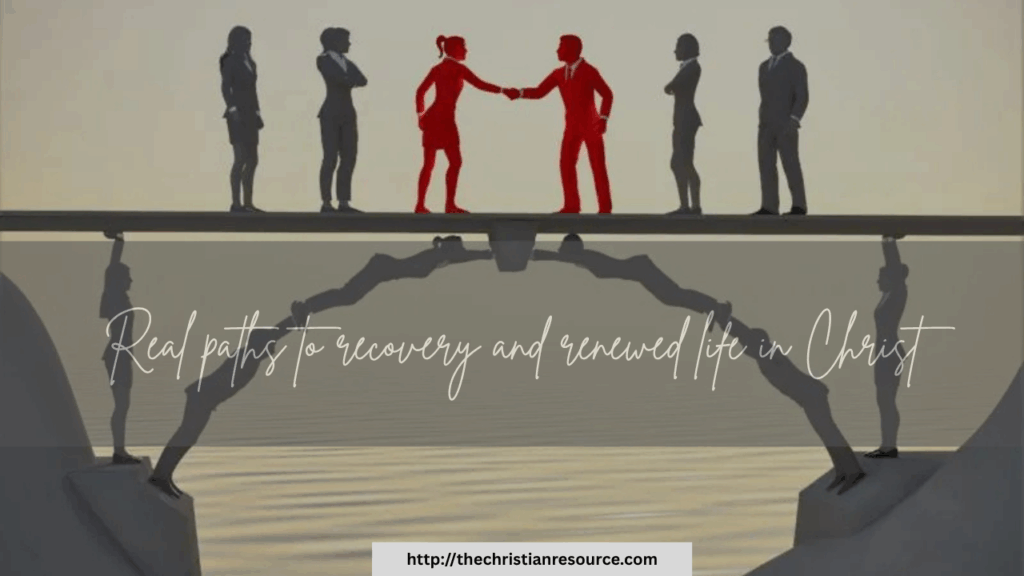
Building Bridges: Christian Communities Creating Paths to Recovery from Addiction

Addiction is a painful and often isolating experience. For many, it creates a divide between the life they are living and the life they long for—one filled with hope, healing, and purpose. In the face of this struggle, Christian communities are rising to the challenge, building bridges that lead people out of addiction and into a life of restoration through faith. By offering spiritual support, practical resources, and compassionate community, churches and Christian groups are becoming a vital part of the recovery journey.

The Church as a Bridge to Hope

The church has always been a place of refuge—a spiritual hospital for the hurting. Jesus Himself said in Luke 5:31-32, “It is not the healthy who need a doctor, but the sick. I have not come to call the righteous, but sinners to repentance.” This message of grace and redemption is the foundation of how Christian communities approach addiction recovery.

Rather than judging those caught in addiction, churches are called to offer love, truth, and hope. They serve as a bridge between brokenness and healing by pointing individuals toward the transforming power of Jesus Christ. Through faith, people are reminded that no one is too far gone and that God’s mercy is available to all who seek it.

Faith-Based Recovery Programs

Many Christian communities have developed structured, faith-based recovery programs designed to walk alongside individuals battling addiction. Programs like Celebrate Recovery, The Life Recovery Program, and other church-led initiatives combine biblical principles with practical steps for healing. These programs often include group meetings, mentorship, and discipleship, helping participants replace addiction with a renewed focus on Christ.

These recovery efforts build a pathway that leads from addiction to restoration—offering tools not just for sobriety, but for spiritual growth and lasting change.

Building Relationships That Heal

One of the greatest strengths of Christian communities is their ability to build meaningful relationships. Addiction thrives in secrecy and isolation, but healing happens in connection. When individuals in recovery are welcomed into a caring, supportive church family, they begin to experience love that reflects the heart of Christ.

Small groups, prayer partners, and accountability teams provide a framework for encouragement and growth. These relationships remind recovering individuals that they are not alone—and that others are walking beside them every step of the way.

Equipping the Church to Serve

To effectively support those in recovery, churches must be intentional about education and training. Pastors, leaders, and members can benefit from learning how to recognize addiction, respond with compassion, and offer appropriate resources. Hosting workshops, inviting Christian counselors, and forming recovery ministries are practical ways churches can strengthen their outreach.

By equipping themselves, Christian communities are better prepared to serve not only their members but also those in the broader community seeking hope and healing.

Conclusion

Christian communities have a powerful role to play in addiction recovery. By building bridges—through faith-based programs, supportive relationships, and a message of grace—they help individuals move from bondage to freedom. As churches continue to open their doors and hearts, they become vessels of God’s healing love, creating real paths to recovery and renewed life in Christ.